Featured Post

Book Blogger - Submit a book for review!

  Are you an author? Would you like your book promoted on my blog? and website? Would you like to have your book reviewed? If so, please con...

Showing posts with label On Writing. Show all posts

Tuesday, February 15, 2022


Publishing? Self? Small Press / Indie Publisher?

From My ConNooga Panel


Image Original Location and a Blog About This Topic by Sonyo Zofia

Publishing: (according to Steve Laube Agency takes 2 - 3 years once agented)

-          Top 5 (Penguin/Random House; Hachette Book Group, Harper Collins, Simon & Schuster, Macmillan) including their imprints (i.e. Harper Collins has Harlequin, harper, William Morrow) and other powerhouses (Scholastics, oxford Press, Disney Publishing Worldwide)

-          Necessity of an agent. Most do not take unagented submissions.

-          ACQUIRING AN AGENT: Develop Query Letter, Synopsis, First Pages, Comparables

o    Follow their instructions for submission. Send your best. Don’t make common mistakes ( https://authorspublish.com/the-ten-most-common-manuscript-submission-mistakes/ )


-          RESOURCES:

o   Writer’s Market 100th Edition: The Most Trusted Guide to Getting Published ($21.12)

o   Guide to Literary Agents 30th Edition: The Most Trusted Guide to Getting published ($25,49)

o   Locate conferences to be In front of agents / submit work to them such as https://atlantawritersconference.com/ (May 6-7, 2022). Expect to pay $800-1000.

o   Network!! Use your other credentials


Self Publishing:           (self-paced. Quality product achieved in under 8 months)

-          Learn ALL aspects of publishing OR al a carte services

o   Developmental Editing (content editing) – plot, structure, characters, pace, POV, etc

o   Line Editing (stylistic editing)

o   Copyediting – consistency issues, spacing, format issues, spelling, grammar, punctuation, etc.

o   Proofreading – final quality control

-          Cover Development – free image, Amazon template, paid cover, wrap?

-          Format – epub, mobi, pdf    - ISBN # or ASIN         -- ARC copies? (like NetGallery)

-          Publishing Company: Amazon (KDP) digital and/or print, Draft2Digital, Ingram Sparks

-          Launch dates, promotions, marketing

-          RESOURCES:

o   https://kdp.amazon.com/en_US/

o   https://www.ingramspark.com/

o   https://www.draft2digital.com/

o   https://www.upwork.com/

o   https://reedsy.com/

o   WRITER’S GROUP!! à Corner Scriblers, CWG, your market / genre / niche online (i.e. https://www.scbwi.org/ for kids lit), Beta Readers


Independent / Small Press:      (times vary from submission to publication)

-          Do not approach until have a good draft (recommend finish Developmental and line edit)

-          Consider seeking short story published works to build your resume (probably good for all 3)

-          Look for presses that do what you have written. Do your homework on what they have published, how those books fare in the market, and how your book fits.

-          AVOID VANITY PRESSES!!!! – scams. Never prepay / hybrid pay. Better to self publish

o   Always google press with key words like ”scam” or “vanity”

-          RESOURCES:

o   https://thegrinder.diabolicalplots.com/

o   https://threeravenspublishing.com/

o   https://www.jumpmasterpress.com/

o    https://nonconformist-mag.com/the-big-big-list-of-indie-publishers-and-small-presses/

o   Writer’s Market 100th Edition: The Most Trusted Guide to Getting Published

o   Read Indie books. See who published them. Contact and open a dialogue.

o   NETWORK!!


IN ALL THREE MARKETING LARGELY FALLS ON THE AUTHOR

-          Make sure you have the right product for your market (word length, cover design, content)

-          Set a budget

o   Publicist? (like https://www.creative-edge.services/creative-edge-clients.html )

o   Seek reviews (https://www.netgalley.com/) ( https://www.bookbub.com/welcome )

o   Travel, Cons, Where can your product find an audience?

-          Make it Pretty!! COVER DESIGN!!

-          Research what works and who (where) is your target audience

-          Social Media and/or face-to-face promotion, mailing, etc

-          Ads – FB, Amazon, book blogs, goodreads, etc…

-          Avoid scams


On the Fence? Answer this question for you - WHY DO YOU WRITE?


Look on this blog for other "Why We Write" posts!


Another good blog to look at about this topic.


Tuesday, February 1, 2022

WHY WE WRITE: A Writing Group?


 How to choose a group:


I have interviewed now over 25 independent authors self-publishing and working to bring their book to market. Of those, I have read nearly 20 of their books in the past two years. I ask a set of interview questions to each author. If there is one question that I have found directly relates to the quality of their work it is their answer to "Are you part of any writing groups?"

A "yes" almost always, translates into a stronger story, a better book, and a more marketable (corrected and edited) edition. It is not universal, and there are exceptions on both sides. However, it is enough that I would suggest some causality.

If you have been reading this series, you know already that much of my journey came about because I enjoyed the friendships I formed. I came to writing as an avid reader with stories to tell, who loved BBQ, and met a few friends who wrote. Since then, I have participated in several types of groups. It is true that most groups may serve in multiple arenas but I would venture to say most pendulum swing to one side or the other. Here are my classifications:


-1. Geographic Group - Primary Goal: Encourage

    I am a member of a group called Crazy Buffet Club. 

SEE OUR WEBSITE HERE

https://ribandloin.com/

We got our name because the original members met at a Ryan's Steakhouse twice a month. Ryan's closed down and a hibachi style buffet opened called the Crazy Buffet. The Crazy Buffett closed as well and the group moved to Rib N Loin - a delicious BBQ place in Chattanooga. 

  Well... The next time we didn't curse the restaurant but the entire world as Covid sent us virtual. 

Our group meets with all levels of writers. The first of the month we discuss the craft of writing and check in on each other's progress. The second we look at a writing sample to discuss (Maybe more along the lines of the second style group though we are pretty informal)

The name Crazy Buffet stuck because we have an anthology we put out from time to time. All proceeds go to support the Chattanooga Young Writer's Group based in our local college. Since we are an eclectic group the stories are not themed. It is indeed a bit of a crazy buffet of southern fiction.

Buy on Amazon Here!
   

In some ways, it seems like a group that doesn't move the writer forward. But, I would suggest it is a pivotal group to join if you are a new writer looking to move toward publication. For one, there is an easy access point to get your work in print. There are also many seasoned members to coach, teach, mentor, and help. Most of all, there are friendships that make worldbuilding, character sheets, and discussions of "what if's" fun. The group needs a strong lead to keep things between the rails. Such groups can often be found in local writing guilds. I know such groups exist in Atlanta, Huntsville, Knoxville, and Birmingham - cities near me. I know that my own city of Chattanooga has such an umbrella to help locate a good group. Ours is the Chattanooga Writer's Guild.

-2. Professional Groups 

    A professional group gives opportunity to join a set of writers (and possible other artisans) for the purpose of benefiting from each other collectively. Above I mentioned the one in my city: Chattanooga Writer's Guild. While it helps people locate a group, it also offers contests, open mikes, public gatherings, workshops, and other activities. 

The Atlanta Writer's Club, located in a bigger city, actually offer paid opportunities to set your work in front of real agents and editors. I have done this a time or two. While the cost for such a venture can be steep ($700+ depending on the hotel and extras you purchase), you will learn the craft in a way that you may not be able to otherwise. Sitting in front of an agent or editor who plows through slush daily for the gems offers you feedback about your own writing as well as market trends. 

There are also professional groups that are genre specific. For myself, I joined the Society of Children Book Writers and Illustrators.  It is a group organized around the writing of picture books up to young adult fiction. They have conferences (including group gatherings at the bar that often feel more like the geographic encouragement and friendship groups) as well as contests. They take submissions and winners get mentorships with established authors and illustrators. They also have tremendous boards to ask questions, research what others have done, and learn. The boards range from everything from "How to have a presence on Goodreads" to "The use of present tense in first POV" to "Marketing tips for FB." If you are just learning the business side of writing or feel stuck, I would highly suggest joining at least one professional organization and taking part in their activities. Usually the membership is low cost and much of their offerings are free. The "add ons" usually are when they have cost due to bringing in someone with expertise.

-3.Critique  Driven Group - Primary Goal: Discuss, celebrate, critique member's work. May only accept members inside a particular genre(s).

    I had a book I was working on that was middle grade fantasy. I joined an online group. We had four members. Each week we edited and critiqued up to 3,000 words of a manuscript. That measn once a month you had three highly motivated writers in your genre reading 5% or more of your novel (Middle Grade often is 30,000 words). The feedback is tremendous and best of all, happens while you write so you don't have the whole draft done, facing a massive overhaul to fix problems. The pace is demanding. However, the benefit is spectacular. We found people who are writing to share their story with family or friends are probably not a good fit as the critiques can get honest. Sometimes there is a lot of blood on the page. It makes you better if you are in it for the long haul. Those wishing to write their memoir or one story might want to pass.

-4. Craft Groups - Work on the more general aspects of writing. Focus on things such as sentence style, openings, query letters, etc...

    Often these are paid (see below paid services) but here I would mention a writer can learn an awful lot without ever paying. Many agencies online offer free content. Many more offer free workshops (check your local writer guilds, libraries, or schools). 

In addition, there are groups that focus on the craft of writing and many more that focus on the expertise of a genre. Want to know about dragons? Military jargon? Bakeries? Seaside towns? There is probably a way to get with the experts in those areas even if they aren't necessarily writers. 

In the paying department, these can often be found inside the content driven world of the genre. For instance, in the fantasy world there is a writer's track at DragonCon and other such fan conventions. A quick search of "(genre)" writing conference (or convention)" probably pulls up a list. Some genres have more than others. But even if your thing is cozy mysteries there is a benefit to going to a writing group working in a small town or if you love science going to an engineer's convention and listening to their foremost speakers.

-5.Task or Genre Specific Groups -


Groups who identify a very narrow niche. Often built around a task the group does together. In some ways, my Crazy Buffet group fits this build with its Anthology. But a better illustration would be another local group I am familiar with termed The Corner Scribblers. They are specific to fantasy, sci-fi, military sci-fi, and steam-punk. They dabble a bit in horror in so far as it touches those elements. They produce quarterly flash fictions based around specific prompts the members must adhere too. They work to feed a small Indie press as well as to support each other in their writing. In many ways it is similar to the first group with the biggest difference (and why I list it here) being that everyone in the group has something in common regarding their genre. It allows for more specific discussions of craft. Groups like this often clean their rosters more often and frequently have more deadlines for members to me to keep an active partnership. 

A great example of these types of groups are NANOWRIMO (National Novel Writing Month) or STORYADAY in May.

SEE THEIR SITE HERE


SEE STORY A DAY HERE


    Both of these groups offer paid extras, but you can join for free. For the entire month of November you can try and crank out a book with others, blog, talk to friends, meet other writers in forums, see cool motivating graphics, and hopefully get close to a first draft. 

Story A Day ocuses on short stories and each day a prompt is sent out. "Write a fairy tale in a modern setting." "You are in a house with no windows. Why?" Or "Tell about a time when there was no sun." The prompts are great and if you join the chat groups you get to bounce off ideas with other authors. It is a great way to get juices flowing. If you do thirty days you are likely to have a few great stories ready for polish when done. After all, can you really write a bad story thirty times in a row?

-6. Paid Service Groups

See the Site Here

Last year I joined NetGallery. It is a site designed to connect readers with ARC copies (Advance Reader Copies) or new releases for the purpose of garnering reviews. I had limited success, but largely due to my work being outside most of their reader's preferred genre. However, I offer it as an example of a group that is designed for a particular service.

Others, such as the highly recommended the Apex Writer's Group. Their tag line is awesome:

"J.R.R. Tolkien and C.S. Lewis had the Inklings as a writing group. Hemmingway worked with Faulkner and Steinbeck to achieve greatness. No it's your turn."

Apex is a group where qualified mentors teach you the craft to prepare you to be a bestseller. It is not cheap, it is not easy, and it is not for everyone. It is on my "must do" list for sure, though the price tag has kept me from it thus far. There are many more like it. Some are scams and some are top notch opportunities.


In close, there are many options when we say "Are you in a writing group?" My hope, for you and your journey, the answer will be a "Yes" at least in some regard. Find one that helps you write better, encourages you to write more, and gives you opportunity to join others in their journey.

Wednesday, January 26, 2022

WHY WE WRITE: Your First Novel


3. SMALL ISSUES

    First of all, congratulations! You almost have a book to print!!! It will be tempting to send it out. After all, you have already corrected a few misspellings along the way and you've read through this thing a lot of times.

DON'T. 

Take the time to have someone go through who is a detail oriented person. Find someone with fresh eyes not really reading the story for content but for grammar, spelling, paragraph flow, and general readability. I write Middle Grade so I also have to think about vocabulary and grade reading level. Your genre may have similar necessities.


Do it your self  - ONLY SORT OF

In all reality, you should not be the one to do this. Seriously. You are too close. You can find an inexpensive proofreader on Upwork. It may not be 100% error free, (get what you pay for), but it will still be better for the expense. 

I would say you can reduce your cost by saving the person time (you still need to give it to someone else) if you use / purchase software such as grammarly. Grammarly has a free version, but I do not have experience with it. It will do a remarkably good job going through your work, though you may have to do it in smaller sections since it is an online tool. Again, I do not think it replaces a set of human eyes, but it may reduce the cost of that task.

My other advice is to read your entire book OUTLOUD. Seriously. You will be amazed what you discover. Try it just for a chapter or so and I think you will see how it draws out little issues. If you don't want to say what's on the page out loud, it likely means you need to change that snippet of dialogue, description, or narrative.

Pay someone to do it.

I think this is your best option. There are lots of places to hire a proofreader. I've mentioned a few. The person I use I found through networking. I hired someone to proof Jam Sessions. Then, after publication, I decided to make it into an audible book (will discuss this in a later post). The gentleman I worked with identified a couple of things my admittedly very cheap proofreader missed. He was an author of a Hallmark movie (that starred Kenny Rogers!!) and connected me to the lady who proofed his work. She was kind, affordable, and didn't advertise beyond referrals. She has done everything I've taken to print since.

A word about seeking an agent. A manuscript should be in its best form possible before going to an agent. I suppose, you could get by with taking your first few chapters (what most agents request) to a professional editor with the expectation that when your work is picked up the publisher can help you with this final polish. My book twelve Hours was published by a small, Indie Press (Three Ravens) and they did the bulk of the final walk-through.

-3. Coerce, Bribe, or Beg someone to help.

If you know a librarian school marm who loves to correct apostrophes, knows when to use semicolons, and has t-shirts that say things like "They're practicing Their grammar over There" then you won the lottery. Even more if he or she is willing to help. These people are rare gems. If you are writing a single book, perhaps your own memoir, I would suggest this route. However, if you are planning to write more than one I would suggest finding someone to employ. I have seen groups around that do this level of editing also. In my limited experience they are no fun and somewhat hateful as they bicker over the use of the oxford comma and - if you take corrections from different members - may leave you with inconsistencies. I left the one I was in when they spent thirty minutes debating whether a British spelling was appropriate. It is, by the way. They invented the bloody language.


Wednesday, January 19, 2022

WHY WE WRITE: Your First Novel


2. MEDIUM ISSUES

    Medium issues occur at the chapter and scene level. These are issues you may have recognized in the first edit. You may need to rewrite a scene, introduce something earlier that appears later as a solution to the MC's problem, or add details / introduce a character better.I love Save The Cat's model, so this often guides me as I seek to lengthen or shorten a scene to fit the book's flow. This is also a good time to read through your manuscript for "Show, Don't Tell," use of passive voice, "head popping" (changing POV), or providing information that your Point of View wouldn't allow (If first person, your MC won't know what his nemesis is thinking). This is also the place - in my opinion... many want to do it before they write. I think this can stall out your work unless it is absolutely critical). 

An example in my current WIP (work in progress). I have a group of convicts working as miners on a space colony under the military watch of NASA. In due course, they drill into an asteroid and out come a bunch of pterodactyls. I know, dinosaurs in space. Love it. One of my Beta Readers mentioned in the section on my world that he thought dinosaurs couldn't fly in space and they certainly couldn't howl as I had them doing. My gut reaction was to say, "In Star Wars the ships' gunfire makes sounds." But I am not George Lucas and this is not Star Wars. Humility. I resolved the flying in space by talking to someone in NASA I knew from my college days. The other I fixed by acknowledging it to my reader but never explaining. Someone asks my MC "How can we even hear them in space?" He replies, "I don't know, man. It's like they are screaming inside my head rather than out here."

There were probably other solutions. Better ones. Hopefully, though, this serves as a good example of a mid-size issue. Another example in Jam Sessions came when one character uses the Duck Song (Wanna buy some lemonade?). I liked the song in the story but it isn't mine to use. I wrote the composer / author and got permission. If I had not, I would've rewritten the section.

Medium fixes should take a... wait for it... a medium amount of time. If you come across anything epic that involves overhaul of a major character, plot point, or story arc then return to step one.

Now, how can you accomplish this?


Do it your self 

    Here you need to do some soul searching. Are you really the right person for this task? I am not. You may be. If so, I would recommend you do a few things in succession. First, identify your tendencies. I tend to write dialogue that is polished rather than slang. I go through my entire work doing nothing but examining dialogue. I have a friend who tells rather than shows a lot. Identify what those issues are for you and do a read through only looking at those corrections. 

Develop a character sheet. There is software out there (Scrivener mentioned before), excel sheet templates, or make your own. Minimally it should contain names of all characters, places, things, unique stuff to your world (In Freckles they played RumpleBottom Ball.). 

Good news, if you had a good Beta Reader or content editor, you now have a Honey-Do list and action plan. Look at their comments, evaluate, and either fix or leave. I should mention, it is YOUR work. Just because a reader doesn't like something doesn't mean you have to change it. However, if three or four readers all tell you something is confusing, disengaging, or wrong you should probably take a look. 

I would also recommend listening to a podcast or reading a book on characters, scene development, etc... during this phase so the ideas in those teaching resources are fresh in your mind. There are also templates out there for how to start and end scenes for varying genres.  Lean on those.

Pay someone to do it.

    I much prefer sites like Upwork and Redsy for this task rather than using them for content edits. It is cheaper because the issues should not be systemic. You also have the option to hire someone to critique a defined set of pages (10, 50, 100). This is great because they may identify something for you that is a small / medium but repeated problem. Now, you can move into "DIY" mode and fix the remaining chapters. There are even conferences you can attend where you are invited to (for a fee) to submit your work to an agent or editor. I've done this several times and found it exceptionally helpful. These are people who make a living discarding books and selecting books for market. They are willing to (hopefully with kindness) speak into your work and help you be a better writer. They may also tell you something that draws you back to the big issues.

 I have a 40,000 book meant to be a series sitting right now after such an event. I paid for two additional consultations. Both told me the same thing. My novel read like a MG (Middle Grade) with lots of action and very little head-dwelling. However, my characters are young adult age. They both suggested I needed to make a choice once I narrowed my target audience. That means I need to do some POV work or change my main characters' age (and thereby some of what they do, say, think, and feel).

Coerce, Bribe, or Beg someone to help.

    Here I would promote the value of a writer's group. By the way, not all groups are the same and you should (1) know you can be in several) and (2) know what each group you've joined does. I was in a very intensive group for a while. It was under my membership to the Society of Children Books Writers and Illustrators (great place to network if that is your genre and fantastic boards to peruse or ask questions). There I found a group of people who read 1500-2000 words per week  (6-8 pages) and everyone edited the pages. We then met by zoom and discussed. You would edit every week until your week and then you would provide a section of your WIP (work in progress). You had to contribute to get the reward, but it was worthwhile if you are in this stage of a project. People come and go from the group and I probably will rejoin here in a bit. Obviously, if only 2,000 words are getting reviewed every month it would take several years to go through your whole manuscript. That is why this is a great resource for Medium Issues. This is a great place to present individual troublesome chapters.

I am in another group where each month two of us submit short sections for review. Again, it is not a place to edit an entire work, but it is nice to get a dozen voices speaking into a problem area. 

Finally, BE CREATIVE! When I wrote Jam Sessions, I asked a good friend of mine who is a child psychiatrist to read it. He did, gave me feedback in the particular area of his expertise, and even agreed to write a brief afterward for the paperback edition. 


Wednesday, January 12, 2022

WHY WE WRITE: Your First Novel


-1. BIG ISSUES

    These are the gaping plot issues. It may be as simple as when you are writing the first draft you got to a fight scene and wrote in big print "INSERT FIGHT SCENE HERE. MC WINS." Well, guess what? Now you have to write the scene. It may be you change your magic system, need your boyfriend to have a different job than he had the first five chapters, or perhaps you discover you need to tell the story from 3rd person point of view instead of in your character's head. These issues involve major rewrites

    When I wrote my first book, Jam Sessions, I got to the end and was overjoyed. I had written a book! Well, I had written a draft! I was ready to go to press, right? No. My main character moved schools in the middle of the year. On his first day he is taken to class by the school bully who subsequently becomes his friend. That is until, the MC is bullied and teased. My MC must find a new friend group and a way to work through his panic attacks. That was my book. I had a whole backstory about why he was in a new school. It was interwoven into the book with a lot of "not in school" scenes. It made the book darker (an abusive dad) and lost focus on my MC finding his way amongst his peers. Beyond that, it was a conflict already resolved (maybe not fixed, but resolved) when the opening chapter arrives. Simon (my MC) and his mom had moved states and were living near Simon's grandparents. I went through teh book and cut all my beloved passages. I rewrote the start of the book. It showed a sleepy kid being woken at 2:00 am as his mom drove away from their house. It sets the stage without being a book about trauma in the home. That's a good book, but not the one I was trying to write. My intro isn't on par with the best openers on the market today, but it is a solid freshman effort because I was willing to radically rewrite sections of the book.

However you decide to do it... DO NOT... I repeat DO NOT start sending your first draft out to agents yet!!! Take some time to correct and revise. If an agent is something you want, it should be pursued with the cleanest manuscript you can offer. So, what are your options to fix the major issues?

Do it your self - If you choose to do this yourself you MUST walk away from the book for a while. Get some distance. Start a new project, read, go reconnect with friends and family you neglected as you did the final writing sprint to finish. Six weeks to six months. I would not suggest less or more. Then come back and read the book. Do not edit. Read it through and annotate sections that need work. Again, don't fix them. Just identify them. That way you are reading the book all the way through in one pass. It is the best way to catch the big issues.


Pay someone to do it. - Paying someone to beta read is fairly expensive on sites like Upwork and Redsy. However, there are folk out there you can subcontract out for the work. I think better are groups who love ARC's (Advance Reader Copies) and book bloggers. You can find ARC readers on sites such as Netgalley. They will read and offer feedback. The good part about such sites is you can join with a group of people (network!!) and it has great promotion capability also.

A word on paying someone. Don't be prideful about this. In fact, embrace it. For me, writing is a hobby. I spend much less on it than my brother does on hunting and flyfishing. It costs less than my neighbor's obsession with buying souped up trucks and atv's. Today, my hobby even pays me a little bit back. Whether you are doing it as a future income stream ("gotta spend money to make money") or as a personal journey, it is okay to spend. Just spend in the areas you need it the most. Set a budget (more on this later) and follow it, just like you would if you got heavily involved in golfing, scrapbooking, backpacking, or aquatic crocheting. 


Coerce, Bribe, or Beg someone to help.

    Ahhh the Beta reader. This is not your mom telling you how special you are and posting your book cover on the fridge. Don't get me wrong, that is important. But here we are talking about that unique person who loves (1) to read (and has read a lot, especially in your genre), (2) likes you and is willing to read an unpolished copy, and (3) is willing to take the time and energy and risk to offer correction. 

My first set of Beta readers I asked ten or so people. six said yes and never read or got back with me other than the occassional, "I haven't forgotten!" This is true. They hadn't forgotten. They just weren't all three of the things above. Of the other four, two sent my manuscript back telling me how great I was. Kind, but unhelpful. One spent lots of time correcting small grammatical issues. Again, it was kind, but by the time I rewrote the draft these corrections were often mute. 

One sent my manuscript annotated as another author asked her to do. She was awesome. Here is her list:

"ZZZ" meant the story did not hold my interest.

"???" means I am disoriented, confused, or see something that doesn't match. These often had comments attached.

"!!!" meant I loved this section.

A solid line "--------" meant she stopped reading here.

In the end she spoke to these areas:

-1. Characters - Were they believable? Could I identify with them, especially the MC?

-2. World - Was the world / setting  understandable? Interesting? Coherent?

-3. Plot - Were there plot points that were unbelievable or you had trouble with?

-4. Dialogue - Did each character have his/her own "voice?" Was dialogue used well? Sound artificial?

-5. Show, Don't Tell - Were there areas you felt like I was teaching, lecturing, preaching rather than immersing you in the story?


You can google "Questions for Beta Readers" and come up with hundreds more. My suggestion, keep it simple so the reader can annotate as they read with a very brief overall assessment at the end. i've seen some Beta reader questions that emphasize the first chapter too. Since this often gets sent to agents it makes sense.

I should mention I discuss the Beta Reader as a free option. You can pay Beta Readers as well, though if I was going to spend that money I would get someone more professional on the content editor status. Also, in the realm of advice, if you "pay your dues" in a writer's group by being active, helping others, and generally not being an ass you may find some folks in that circle who will swap ARC (advance reader copies) with you.


Wednesday, January 5, 2022

WHY WE WRITE: Your First Novel


 Today let's talk about editing!

Maybe if you are a plotter editing is a joy? I've met a few weird souls who seem to thrive on revision and editing. For a pantser it can be painstakingly difficult.

I've already given my first tip I've discovered. I write my first draft by hand. This forces me to edit as I move my penscratch to computer. However, I feel the struggle. Just like the middle of the book can feel like an anchor weight... so can the idea of meticulously going through hundreds of pages.


Good news! Remember that talk we had about WHY you write? If you are not in love with the idea of editing then feel the freedom to freelance / contract out the work to others!!! I know there are authors who don't want to let their newborn manuscript out into the world until it is completely perfect. If you are such a person, let me encourage you to write down "WHAT DOES A 'PPERFECT' MANUSCRIPT MEAN TO ME?" The answer should not be more than three snetences or several bullet points.

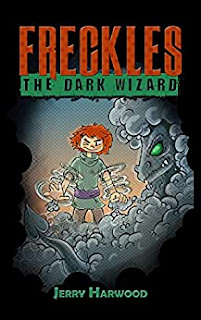
Here is mine for Freckles: The Dark Wizard.

- First chapter that connects my wizard world to a middle school kid while showing the magic

- clear main story arc

- laugh when read

- minimal distracting editorial issues (grammar, consistency issues, confusing narratives)


And for Twelve Hours on the Block:

    A edge of your seat action ride from chapter to chapter with comic relief between the two main characters. Story should get crazier and crazier but never violate the reader's suspension of disbelief created with opening scene where "Hummingbird" (Aztec god) rips a man's bleeding heart out.

If you can pinpoint what it means for you to release your story to others, then you have a goal to work toward. Ultimately, you will have to share it to be heard. So figure out when that is for you. 

Now, when I first started writing I was overwhelmed with terms like proof reader, beta reader, content editor, developmental editor, copy editor, critique partner, or online editing software. Let me offer my humble take on all of this. You have three stages of editing:

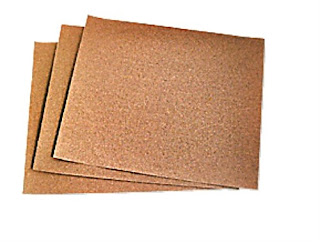
I grew up helping my dad in his workshop. If it helps, think about this like sandpaper. You do not pass over a project the first time with 220 grit fine sandpaper. You are wasting your time and will ruin the sandpaper. First, you use a coarse grain (40 or 50 grit) to get rid of rough edges and large issues. Then you use a medium grit (80) to give the project a unified look. When you get to fine grit (120) you aren't even doing enough to take off a varnish. Yet, the last strokes are the one that make the project a masterpiece.


-1. BIG ISSUES  (40-50 grit sandpaper)

    These are the massive problems that demand rewriting whole characters, major plot points, changing the novel's POV (point of view). These take a lot of time to fix and perhaps create more repairs along the way. 

One of my dear mentors says that the author makes promises to the reader along the way. If we introduce a wizard with a secret pendant he wears under his cloak, we are promising the reader that pendant will be used. If we tell the reader the heroine has never been kissed, we are promising there will minimally be a kiss in the story. Some promises are key. in fact, there is probably one central question to your story. For my twelve Hours on the Block it is "Will the two main characters survive?" Along the way they meet two girls ("Can they rescue their new relationships") and a woman who swears she will die trying to get out (yes, she does). Apart from major content editing of plot, world, characters, and subplots you must also make sure the reader can follow your engaging story, satisfied in the end.

-2. MEDIUM ISSUES (80 grit sandpaper) 

    Here we are looking at smaller issues. They may be within a specific scene or chapter or may be a small add, subtraction, or revision to the novel to support the story. It may be adding something in earlier to prepare the reader, changing something about a character necessary to the plot, or answering a small  unanswered question.

In my book, Freckles: the Dark Wizard, Simon (MC) sees a picture of his dad winning the school RumpleBottom trophy with his mom on his dad's shoulders in a victory celebration. It was a promise to the reader regarding what would happen in the end with Simon's love interest (medium size promise)  if Simon won the tournament (big promise) 

-3. SMALL ISSUES (120 grit sandpaper)

    Here is where you make the work ready for publication. Spelling. Commas. Dialogue tags. passive Voice. Show, Don't Tell. And my personal favorite, not putting two spaces between sentences (apologies to my editor!! I grew up using typewriters!). 


I know. I worked hard to develop cool sounding terms. Now, for each layer you have three options:

-1. Do it your self (well... except for "small issues." That one needs outside eyes.)

-2. Pay someone to do it.

-3. Coerce, Bribe, or Beg someone to help.


Next Wednesday we will dive in!


Tuesday, December 28, 2021

WHY WE WRITE: Your First Novel


Let's get something on paper!


First, in the writing world there are two recognized groups (with lots of people in the middle). There are the PLOTTERS, people who outline and script out everything before they put pen to paper. Then there are PANTSERS, as in "by the seat of my pants" writers who just jump in and see where the story goes.


Which are you? You probably already know. Either way - this is a fun quiz: 

https://www.writinglaraferrari.com/plotter-or-pantser-quiz


Knowing which you are is helpful so you will know the inerant pitfalls:


PLOTTERS TEND TO:

- struggle to start because the outline isn't perfect

- develop intricate worlds and character backstories that bog down the story

- continually work hard at the craft of writing but not on actual writing.

- write with expertise but lose the initial passion of their idea 


PANTSERS TEND TO:

- have many story starts but bog down in the middle

- struggle with complex stories that involve remembering facts (was that guy's name Johnson or Johns?)

- write with energy and fail when energy fades


For clarity, these are my opinions with no real statistics to back up what I'm saying. However, according to good reads (Don't know goodreads? You should go start a profile today!!) J. K. Rowling is a plotter. It shows. Every character and every space in her world is filled with backstory and wonder. There is a reason they make a Harry Potter world theme park. On the other side, they list Stephen King as a pantser. There are no theme parks based on the master of horror. He places some interesting characters in a "What if?" situation and lets it roll.  both are incredible authors. So do not think of Plotter and Pantser as "good" and "bad." Know which one you are and embrace it. Then plan to overcome your type's shortcomings.

SIGNPOST MODEL:

    I prefer what Gregory Scott Bell calls the signpost model. This is a great model for pantsers. It is not a full plot outline. Rather, you focus on character development and then have "road signs." On my way to work there was a street sign out of my neighborhood, a stop sign, followed by a red light and entrance ramp onto the freeway. The freeway had a split to two different cities followed by signs pointing to places of interest and my final destination. Being a teacher, I even got school speed zone signs!

When I wrote Twelve Hours on the Block I had on a notepad twelve gods of the ancient Aztec culture. Each hour of the book one would introduce himself. From there I used a basic plot model (I love Save the Cat) to orchestrate moments of hope for escape and "all is lost" for my two central characters. Then I could just write. I just knew I had to get to the next signpost. Now, I several times swapped what god (signpost) went in what order based on what I needed for my plot, but even with the changes I had enough structure to write the work in small, manageable bites.

Whether you are a plotter, pantser, or Signposter --> START WRITING. get motivated. Put words n paper. They don't have to be epic. Just down on paper. In doing so you will join a very small percentage of people who have written a first draft. You got this!!

Here are my four tips... or maybe five... I'm not sure yet... after all, I'm a pantser...

-1. READ YOUR GENRE.

You should have a genre. Fantasy. Mystery. Romance. Southern Steampunk Horror SciFi. There are books out there like yours. If you think you have a new genre no one has ever done I would encourage you to first look harder. If it really is true, then double your work and read twice as much by reading the closest two genres.

Yes, you will see things you like and will be tempted to copy. Readers love a good trope. It is okay to borrow (just don't plagarize) ideas. Harry Potter is not the only kid ever to attend wizarding school and the Gunslinger is not the first cowboy to stop the world from ending or chase a man across a desert. By reading you will also develop an idea for what works and doesn't work in your genre. If you are writing a Hallmark you need the first boyfriend to be bad... but there also has to be a reason the heroine was with him. If you are writing a mystery there must be clues left along the way even if (hopefully) the reader doesn't put it all together till the end. If there is a zombie vampire who feeds on kittens you have to have a world where that is okay and normal. At least they don't glitter!

I really can't stress this enough. If you want your story to be original reading a lot is much better than coming to an empty page with only a few stories rattling around in your brain. Read. Read bestsellers. Read past hits. Read modern books. Harry Potter and the Dark Tower are two of my three favorite series of all time. However, they are both now over twenty years old. Especially if part of your WHY is to find an agent and a traditional publisher you should know the current market.


-2. DEFINE YOUR INITIAL MEDIUM

    As a pantser, I like to handwrite my manuscripts. I don't do this because I think better, but because it will make me go back and edit when I type it in. I have friends who overcome their pantser issues with software such as ProWrite or Scrivener. These allow you to keep side sheets of character names, slang, places, and other info you need to keep consistent. They are good investments. My friend who is a plotter types in MS Word. He then saves each edition under the title and date so he can go back if he needs too. Laptops, Desktops, voice-to-text, napkins, journals, or papyrus. Choose where you will best tell your story. I have another plotter friend who hand writes because a computer is too distracting as they just click over to look something up on Wikepedia. Experiment. 


-3. SET ASIDE THE TIME AND SPACE

Talk to your family and make sure everyone is on board with your adventure. Turn them from pulls on your time to accountability partners. My fourteen year old routinely enters the living room with "You writing?" If I answer, "yes," she gives me a hug and watches tv. If I say "no," she asks me, "Why not?"

Maybe you write best in a coffee shop or at home. In a silent room or with Metallica blaring on a nearby radio. Maybe you need three hour blocks or six thirty minute blocks. Maybe you need to work in the morning or after the clock strikes midnight. Once you find a groove that works, feed it, nurture it, protect it. I almost never see this advice in writing books but I think it is critical. King mentions it in his must-read On Writing. 


-4. SCHEDULE YOUR DISTRACTIONS

I remember the first time someone in my writer's group told me this. She said, "I know I am going to play on the internet for twenty minutes so instead of feeling guilty about it I schedule it. Then when the timer goes off I end that part just like I might stop a writing prompt or character worksheet."

Another writer friend has an app that lets him grow trees whenever his phone is down. He sets small goals for writing bursts and then takes a break. I know one writer who logs on zoom and she writes in scheduled times with other writers. As for me, I write during my breaks. As a school teacher, I am blessed with fall break, Christmas break, Spring break, and summer break. I try to set goals for each. In between I edit. It is an important point. Writing must find a life around your job, family, friends, and obligations. If it is at war with them it will eventually become a costly burden or will lose the battle and your manuscript will sit undone.  Talk about your project with others so they can help you.


-5. LEARN THE CRAFT

Okay, so there are five things. This one is too important to gloss over. There are numerous ways you can learn the craft of writing. You can join a writing group or guild that does teaching as part of their meetings. You can purchase masterclasses, training workshops, or just watch tiktok, youtube, or blogs like mine (https://www.circumlocution.net). Writing is a skill set, even if you are a pantser... especially if you are a panster. Things like I have sometimes capitalized the word "Pantser" in this article and sometimes I have not. Shame on me. I will have to go back and edit. Better is that I learn such things and correct it as I go. After all, I want my story to be compelling. I want it to be believable, well-told, and engaging. If all you want is your mom or husband to read it and tell you how special you are, I strongly encourage you to be a learner of the craft. 

Now a word of caution here. There are many out there who will take your money, make outlandish promises, and give you very little. Beware the To-Good-To-Be-True trap. If you really have no where to start, I would recommend 

Stephen Kings On Writing

James Scott Bell's Great Course: How to Write Bestselling Fiction

Jessica Brody's Save the Cat

William Strunk Jr and EB White's The Elements of Style

You can also find local conferences. I love DragonCon in Atlanta and learn a lot from their writer's track. My Chattanooga Writer's Guild often has authors teaching courses in their areas of expertise (I'm doing one on the MBTI and character development soon at a local Con). 


Final Thought on Getting Something On Paper:

I am a huge advocate for writing groups, but I also realize they are not for everyone. One group I'm in we ask each other about word counts each month. A lady with severe anxiety and PTSD from a military career shared that she wrote two sentences that month, the most she had done in months. We celebrated. That was huge for her and she read the lines to us. The friendships and accountability should always be more of an encouragement than a burden. More on that later.


For now... put words down. They don't have to be good words. Just let your story flow!!